Grants for NFP‑led emissions reduction and climate resilience initiatives
Remote, rural and regional not-for-profit groups (NFPs) across Australia are invited to apply for grants of up to $20,000 through FRRR’s Community Led Climate Solutions program (CLCS), which opens today.
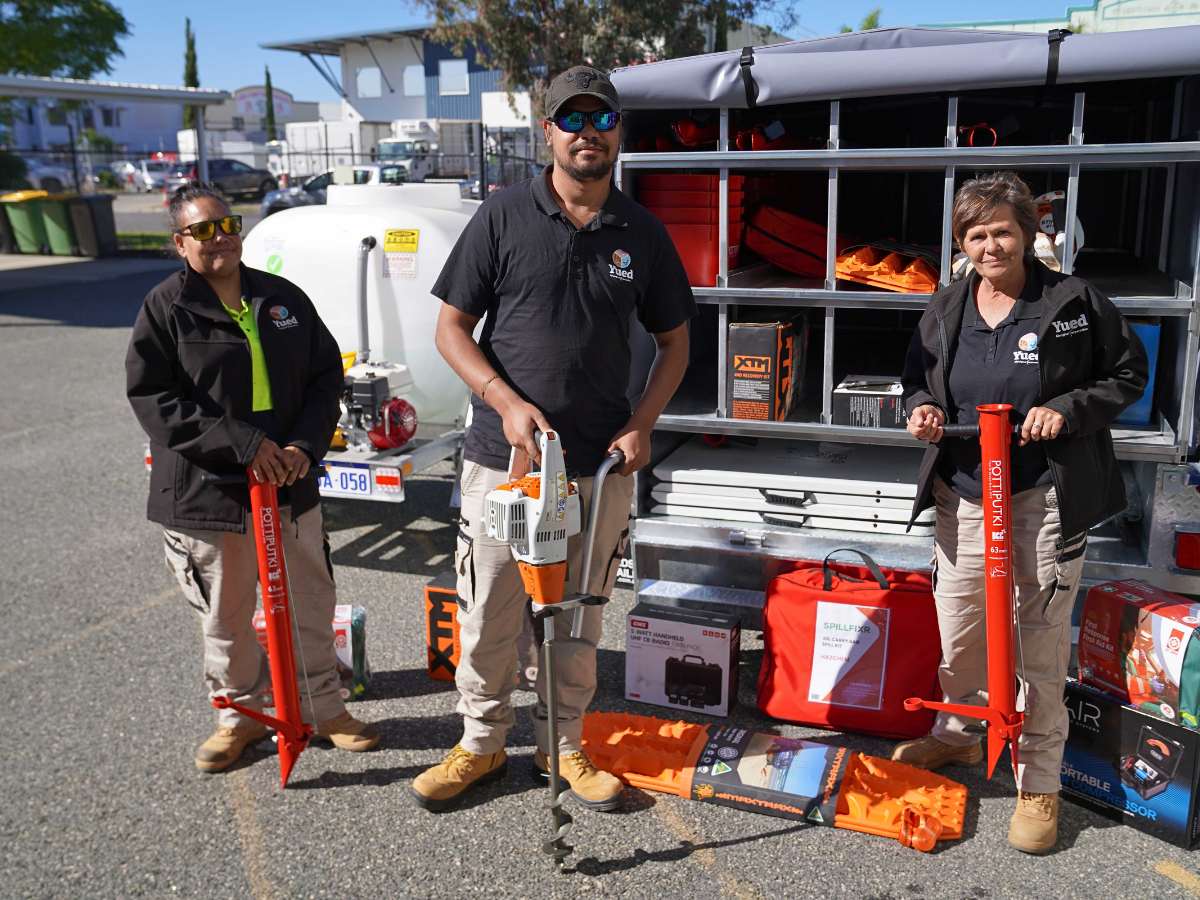
In total, $400,000 is available for projects that address climate change at a local level by implementing activity or building awareness of practices and solutions that can reduce emissions and help communities create positive and sustainable environmental, social and economic outcomes.
The program can fund a wide variety of projects including to educate local people; adopt clean energy practices; support First Nations climate focused initiatives; reduce emissions; implement low carbon power sources; embrace reuse and regenerative practices; support solutions that deliver sustainable agriculture and food systems; encourage biodiverse ecosystems; or ensuring the transition is just for all.
Jill Karena, FRRR’s Head of Granting, said the program’s flexibility is deliberately designed to empower communities to take the action that makes sense on a local level.
“Remote, rural and regional communities across Australia are experiencing climate impacts in different ways, because every place is different. This program recognises that and allows for NFPs to shape the climate solutions that will work in their context – whether that’s educating people about what climate action can look like, improving energy resilience by enhancing community infrastructure, restoring habitat, building capability, or testing solutions and sharing their impact,” Ms Karena said.
“For example, in Gympie, a volunteer sustainability community organisation partnered with a social housing organisation to make older social housing more comfortable and affordable by installing solar panels and implementing simple energy‑efficiency upgrades. That project not only reduced running costs and lifted energy ratings but also helped normalise clean energy in social housing and eased cost‑of‑living pressures for tenants. It shows how practical climate solutions can strengthen wellbeing and dignity in communities.”
Applications close 5pm AEDT, 12 March 2026, with grants to be announced in late June. Projects funded in this round must be delivered between July 2026 and July 2027.
Learn more about what makes a good application at a free online Grantseeker Workshop, including a Q&A session, on 17 February 2026, 12pm–1pm AEDT. Register via Humanitix for the CLCS workshop.
To learn more about eligibility and apply, visit: https://ninjatest-frrr.madeneat.dev/community-led-climate-solutions.
Since launching in 2023, the CLCS program has awarded 67 grants, distributing $1.6 million to support locally‑led climate solutions. Funding in Round 4 is supported by the generous contributions of the Paul Ramsay Foundation, Elders Insurance in partnership with the QBE Foundation, Hand Heart Pocket – the Charity of Freemasons Queensland, and the Sidney Myer Fund. FRRR invites additional partners to join this collaboratively-funded program.
Early insights from the evaluation of Round 1 projects show strong community engagement and meaningful on‑the‑ground outcomes. Many projects have improved the general understanding of climate solutions, reducing misconceptions and strengthening collaboration, while also delivering tangible environmental and operational benefits such as reduced waste, restored land and lower energy costs.
“These changes are significant because they’re long‑lasting and transferable,” Ms Karena said. “They build momentum by making climate solutions visible, relevant and accessible to everyday people, helping ensure that the transition to a low‑emissions future is fair and inclusive. We’d love to be able to fund even more of these kinds of initiatives, so always welcome new partners to join us.”