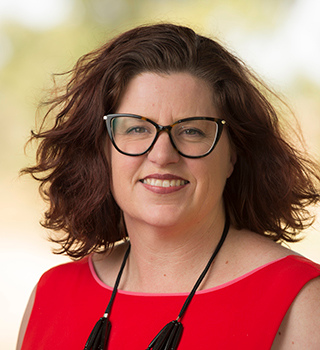
Nina O’Brien, FRRR’s Disaster Resilience and Recovery Lead, reflects on the impacts of disaster events such as the January 2026 Victorian bushfires and highlights why small regional communities need long‑term, flexible support for recovery and a resilient future.
After every significant disaster event, I am truly in awe of the generosity of effort that flows toward and between small towns, and the speed with which locals rally to support each other.
But for regional communities, recovery does not end when the smoke lifts.
It is slow, deeply embedded in local relationships and at times, invisible.
Apart from the practical aspects of rebuilding homes, business and infrastructure, it requires attention to rebuilding the general rhythm of community life, and to offset the inevitable recovery fatigue that sets in.
It is local people that need ongoing support, especially the volunteers and community organisations who quietly hold everything together over the long slow months – and years – it takes to recover, or more accurately, to move through the recovery process and, eventually, into a new future.
So, while support for people and communities in critical in the short-term as they attend to immediate needs as we are seeing right now, so too is support for the long tail of recovery and, when the time is right, preparing for the future.
That is why FRRR has activated its Bushfire Recovery Appeal to ensure communities can access support across the long arc of recovery that follows. Our approach is grounded in two decades of practice. From Black Saturday to Black Summer and beyond, FRRR has walked alongside regional communities over the long term, funding locally led priorities and adapting as needs evolve. We know that what has needed 12 days after a fire is very different to what is needed 12 months, or 12 years, later.
Unlike many other funders that focus on support in the immediate aftermath of a disaster, our Bushfire Recovery Appeal specifically enables medium to long term, flexible support delivered through grassroots organisations who know their people best.
What does long term recovery look like on the ground?
In small places, needs shift over time. New families arrive. Leaders tire. Trauma resurfaces each fire season. Community groups change and evolve. That is why long term, flexible funding that is guided by locals is so important.
These are four projects supported by FRRR after the 2009 fires, which show what lasting recovery looks like, both through built community infrastructure, as well as the critical social infrastructure: the skills, networks, connection, wellbeing, and community ‘systems’ required to recover effectively.
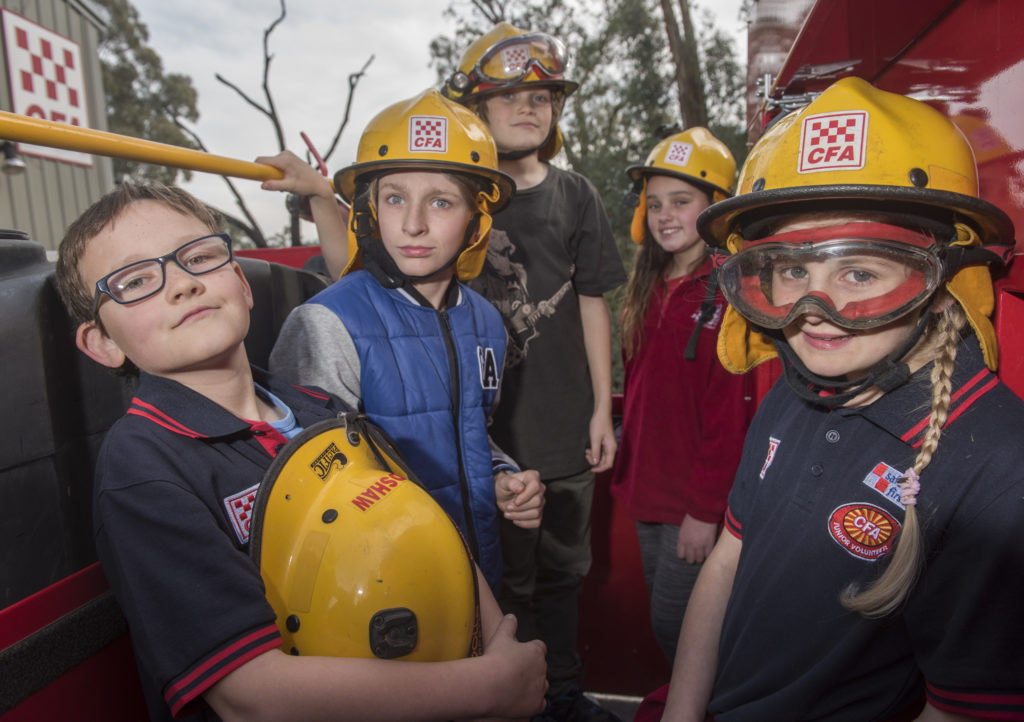
1. Strathewen Primary School – Fire Awareness & Resilience Program
Years after Black Saturday, teachers and local CFA volunteers noticed children still felt anxious each fire season. With community support, they co designed a gentle, age appropriate program. Parents told us their children’s confidence improved and anxiety dropped; students took home a picture storybook to continue the preparedness conversation with family.
2. Toolangi District Community House – Tennis Court Renewal
A tired set of tennis courts became a vibrant community hub with upgraded fencing, pathways, safety and shade. More than 200 locals came to the opening—huge for a small place and a powerful sign of reconnection. The group reflected that it now provides a safe venue for youth, families and visitors to meet, make friends and feel part of community life again.
3. Murrindindi Youth Foundation – Blue Light Victoria in local schools
Across six schools, 130 students built language and tools for mental health, connection and help seeking. One student said, “I learnt how to look after my mental health and how to chat with police and health workers.” When young people feel capable and connected to trusted adults, communities are better placed for the seasons ahead.
4. Churchill & District Community Association – Organisational Renewal (“Burned Out & Burnt Out”)
Recovery depends on the organisations that carry so much community weight. A targeted governance and strategy project led to new members, structural changes and, in the committee’s words, “a strong base for organisational sustainability.” Rebuilding the backbone helps the whole community stand taller.
Important lessons to take forward
- Recovery is relational. Each project created reasons to gather—kids with CFA mentors, families at the tennis courts, students with youth workers and police.
When people reconnect, confidence and trust follow. - Skill building drives resilience. From emotional regulation and mental health literacy, to organisational governance and practical preparedness, these are capabilities that outlast the grant and travel across generations.
Locally led = trusted and effective. - Community groups must set priorities and pace. Place based leadership makes funding more relevant, nimble and enduring—especially in towns that experience multiple disruptions over time.
Communities recover best in a way, and at a pace, that suits them, not the system.
These are not “big ticket” headlines. They are the steady, human scale shifts that go beyond rebuilding the bricks and mortar and add up to long term wellbeing: young people with coping tools, places to reconnect, local organisations with the skills and stamina to lead over the long-term.
It’s these factors, which we’ve seen time and again, that shape FRRR’s continual emphasis on providing medium to long term, flexible support that is delivered through grassroots community organisations who know their people best. It is also why our partners and donors are leaning in again this season—because they have seen the difference this model makes over years, not weeks.
An invitation to add your support
If you are able to contribute, there are two meaningful ways to stand with regional communities for as long as it takes:
- Give to FRRR’s Bushfire Recovery Appeal – we’ll direct flexible funding to trusted local groups for the medium and long term. Donate here. Yes, you can direct your donation to specific fire impact areas if you wish.
- Support your local community foundation – these are place based partners who stay the distance. If you are unsure where to start, the Australian Communities Foundation has compiled current community-led appeals you can back right now.
Every contribution, big or small, sends a strong message to regional people:
We see you, we are with you, and we will keep showing up as long as recovery takes.
Thank you to everyone already leaning in: communities, donors, businesses and partners who understand that recovery is a marathon.